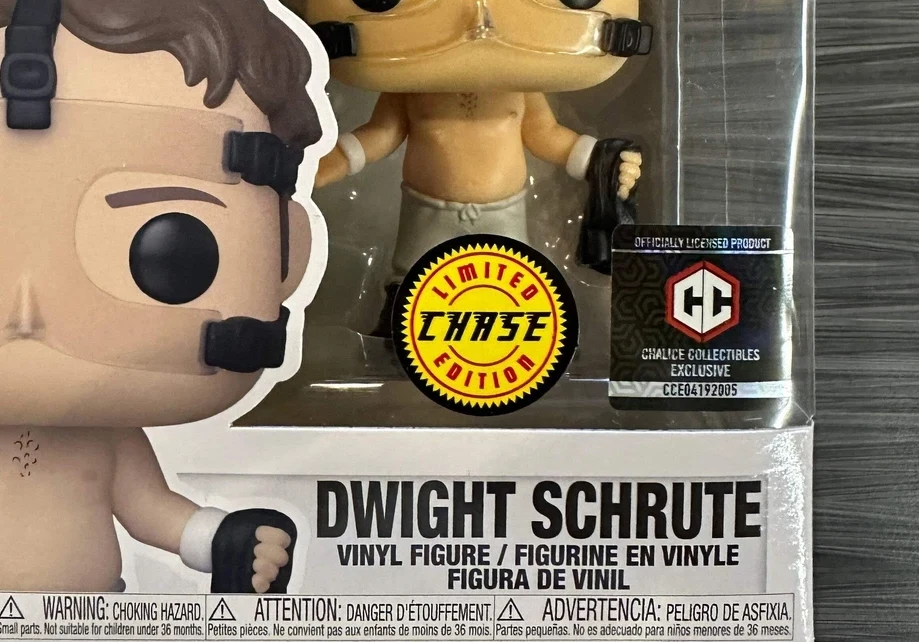
Two identical Pops are sitting side by side. Same character, same pose, same box art. One is $15. The other is $300. The entire difference is a shiny circle of printed plastic about the size of a coin. Welcome to Funko stickers — the most valuable real estate in the hobby, and the first thing a veteran collector's eyes jump to on any box. Here's every sticker decoded, what each one does to value, and the fakes to watch for.
Why Stickers Exist at All
A sticker is provenance, printed on the box. It tells you where a Pop was sold, how limited it was, and sometimes exactly how many exist. Funko makes thousands of figures; the sticker is how the rare ones announce themselves. No sticker generally means a common retail release — still a great figure, just not a scarce one. Our rarity and price guide covers how scarcity becomes value; this guide covers how to read the badge itself.
The Sticker Hierarchy, Top to Bottom
Chase Stickers
The gold-and-white 'CHASE — Limited Edition' sticker marks a rare variant randomly packed among regular figures — glow-in-the-dark, metallic, flocked, or a different pose. Roughly one in six, never sold separately, and the only sticker you can find by pure luck at retail price. The full story (odds, hunting tips, values) is in our dedicated chase guide, and you can browse every chase variant here.
Convention Exclusives: The Big Leagues
San Diego Comic-Con (SDCC), New York Comic-Con (NYCC), Emerald City (ECCC), and the rest. These come in two distinct flavours, and the difference is worth real money:
- Official con stickers — the Pop was sold at the convention itself, in limited numbers, to people who queued. These command the highest premiums of any sticker.
- Shared stickers — the same figure released simultaneously at a retail partner, usually marked '2026 Summer Convention Limited Edition' (without the con's own branding). Still limited, still collectible — typically worth noticeably less than the true con version of the same figure.
Two boxes, same figure, different sticker, sometimes a 2–3x price gap. Always check which one you're buying. For the rarest end of event exclusives — Fundays, numbered editions — see our Fundays 2025 coverage.
Funko Shop and Specialty Series
Funko's own exclusives: 'Funko Shop Exclusive' for figures sold only on their site, and 'Specialty Series' for releases distributed to independent comic and game shops — Funko's way of sending love to the local stores. Both sit comfortably above commons in collectibility.
Retailer Exclusives
Hot Topic (and its glow-friendly reputation), BoxLunch, Target, Walmart, GameStop, Amazon, Entertainment Earth and friends — each gets exclusive figures with its own branded sticker. International collectors will also see EB Games, EMP and similar regional badges. Value boost is modest but real, and a beloved character as a retailer exclusive can climb fast once it leaves shelves. Which retailer matters less than how many were made and who wants it.
Numbered and Limited Edition Stickers
The endgame: stickers carrying an actual piece count — 'LE 3000', 'LE 500', or hand-numbered convention pieces. The honest maths of supply and demand, printed right on the box. The smaller the number, the harder your heart beats. Funko SODA took numbering to its logical extreme — and its abandonment of numbering is a cautionary tale worth reading.
What Stickers Do to Value
A loose rule of thumb for the same figure: common (no sticker) sets the baseline; a retailer exclusive adds a little; a shared convention sticker adds more; a true con sticker or low LE number can multiply the price several times over. But — and this matters — demand always wins. A stickered Pop of a character nobody's chasing is still a slow seller, and an unstickered common of a beloved character can outprice rare figures from forgotten franchises. The sticker amplifies demand; it doesn't create it.
The Dark Side: Fake and Swapped Stickers
Where there's a price gap, there's a forger. Counterfeit con stickers are common on the secondary market, and so is the nastier trick of peeling a real sticker from a cheap damaged box onto an expensive clean one. The tells: wrong colour gradients, missing holographic elements, off font weights, misaligned printing, and bubbling or lift at the edges. Never buy a high-value stickered Pop without provenance — and read our authentication guide before you spend grail money on anyone's word.
Quick Answers
- Does a missing sticker matter? For your own shelf, not at all. For resale, yes — the stickered version is effectively a different (pricier) item.
- Are replacement stickers okay? They exist; serious collectors treat a re-stickered box as damaged goods. Avoid.
- Sticker condition counts too. A scratched or peeling sticker drags the whole box's grade — our box grading guide has the details.
Once you can read stickers, every shelf becomes a story — where each figure came from, how many exist, who queued for what. New to all this? Start from the top with our beginner's guide, or decode any other term in the glossary.